
ABHPC Prevention Pathways Monthly Bulletin for November 2024
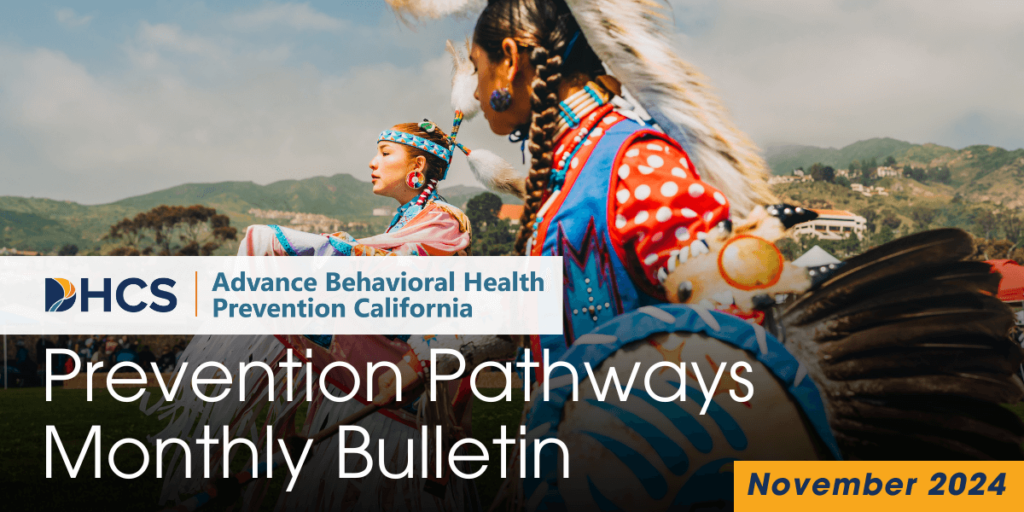
Native American Heritage Month
National Native American Heritage Month is celebrated annually in November to celebrate and empower American Indian and Alaska Native cultures while bringing light to the historical and contemporary struggles faced by these populations.
Prevention needs to consider unique cultural qualities and the needs of a population being supported. Culture has been shown to be a positive driver of mental and physical health for Native populations. The Culture is Prevention project, which originated in California, identified issues in the California Department of Public Health’s efforts for reducing disparities that were impacting effectiveness in Native communities. The Culture is Prevention project demonstrates how prevention can engage communities ethically and use cultural tenets and teachings to support prevention.
Additional projects are underway to support Native populations around health disparities. Data disparities show up for Native American populations and show lower access to key social drivers of health compared to other populations. The National Institutes of Health recently launched the Native Collective Research Effort to Enhance Wellness program to support research and access to data on substance use to help Native communities in decision making around substance use prevention and treatment. In order to support access to culturally relevant health services, California determined that Medi-Cal will now cover traditional healing for substance use treatment. This will build further on the availability of the Tribal Medication Assisted Treatment Project, which incorporates cultural into opioid prevention and response.
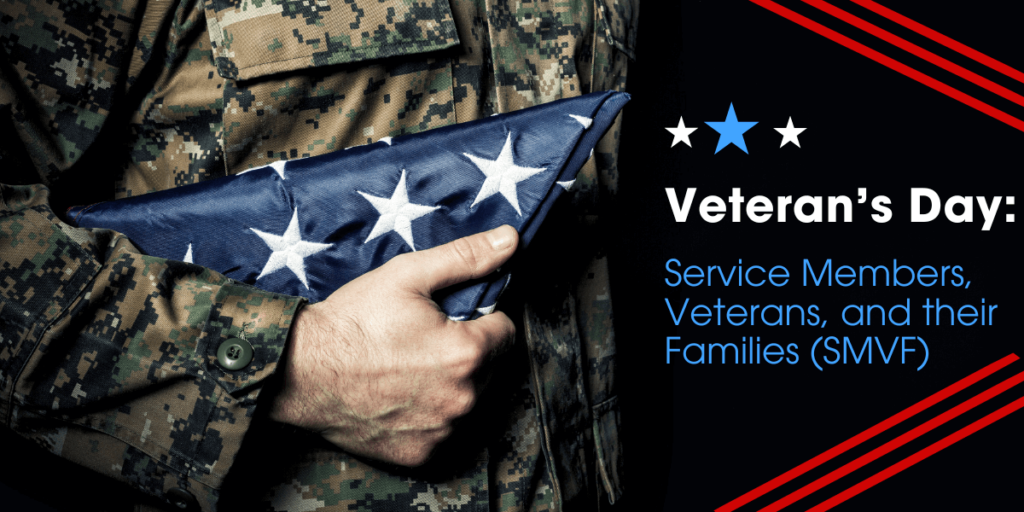
Veterans Day: Service Members, Veterans, and their Families (SMVF)
Veterans Day was first celebrated on November 11th in 1919, a year after the final day of fighting between the Allied nations and Germany in World War I. Veterans Day is celebrated to thank, honor, and recognize all who have served in the military.
1.8 million veterans reside in California, making it the state with the largest veteran population. Service members and veterans face unique challenges that impact behavioral health, including post-traumatic stress disorder, traumatic brain injuries, depression, interpersonal violence, and suicide/suicidal ideation. One-third of homeless veterans live in California, and although there are resources available, stigma around help seeking can defer veterans and service members from seeking help. The challenges faced by service members and veterans can impact their families and loved ones as well.
Due to the high population of veterans in California, extensive resources are available. The California Department of Veterans Affairs released a comprehensive Veterans Resource Book with information on how to access and qualify for services across the state. The National Alliance on Mental Illness (NAMI) has supports specific to SMVF. Their NAMI Homefront program provides peer-taught sessions for family members and caregivers of service members and veterans.
With all prevention, it is important to ensure that programming and efforts are responsive to the unique needs of a priority population. To learn more, ABHPC is hosting a session on Collaborative Prevention Strategies with Service Members, Veterans, and their Families on Tuesday November 9th from 10:00 a.m. – 11:30 a.m. PT.
You can also get involved locally – check out Veterans Day events happening across California here.
Transgender Day of Remembrance (TDOR)
TDOR is observed annually on November 20th to honor transgender folks who have lost their lives to acts of violence. Transgender Awareness Week is held the week leading up to November 20th and is a time to bring awareness to key issues that affect the health and wellbeing of transgender individuals.
Transgender and gender-expansive people experience bigotry and violence based on their gender identity and expression. In 2023, there were 35 homicides of transgender or gender-expansive people. Of those homicides, 50% of the gun homicides were perpetrated against Black transgender women. Fortunately, this number is down from 41 in 2022 and 45 in 2021. However, transgender individuals face other challenges including high rates of sexual assault, higher risk of substance misuse, and increased likelihood of suicidal ideation or attempts for both youth and adults.
In 2024 there has been an uptick in proposed anti-trans legislation. Many of these bills affect transgender youth. The American Civil Liberties Union of Northern California is working to protect the rights of transgender youth and students – you can read about their efforts and view their resources here. There are additional California-based resources including The Source’s Transgender Program and PFLAG’s Resources for Trans and Nonbinary Youth.
ABHPC is hosting two events in November around primary prevention for Lesbian, Gay, Bisexual, Transgender, Queer/Questioning, Two-Spirit+ (LGBTQ2S+) and Gender Non-Conforming (GNC) communities:
- Friday, November 8th: The ABHPC Community of Practice: Centering Primary Prevention with Transgender and Gender Non-Conforming Communities will address effective engagement of transgender and GNC individuals in prevention.
- Tuesday, November 12th: The ABHPC Event: Addressing Data Disparities – Enhancing Primary Prevention in LGBTQ2S+ Communities will explore gaps in data for LGBTQ2S+ populations and how to address these disparities.
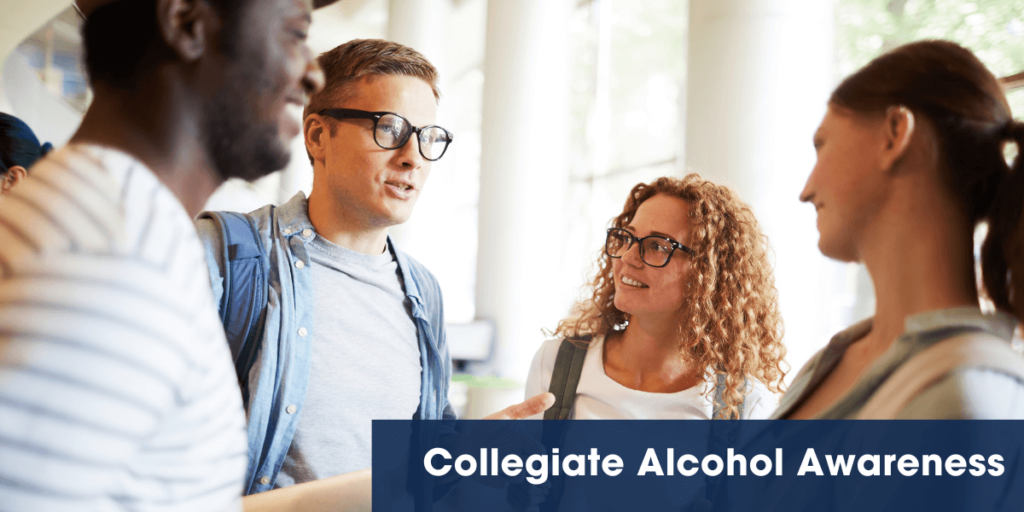
Collegiate Alcohol Awareness
National Collegiate Alcohol Awareness Week (NCAAW) was held October 20th-26th. This annual week of recognition brings a focus to alcohol consumption among college students. Campuses are encouraged to educate students on alcohol use statistics and safe consumption habits to prevent unsafe alcohol use and the harms associated with increased drinking.
Full-time college students tend to drink more than their peers, are at an increased risk of having or developing an alcohol use disorder, and report experiencing negative consequences related to alcohol use. Students involved in sports or Greek life report higher alcohol use than other students. Factors related to increased alcohol use include availability of alcohol, inconsistent enforcement of laws, and less supervised or structured time.
Successful prevention for college alcohol use requires a variety of approaches including strategies for individuals and the community. The National Institute on Alcohol Abuse and Alcoholism’s College Alcohol Intervention Matrix provides an interactive database of evidence-based practices that assist colleges in selecting the right combination of prevention and intervention strategies for their campus.
Additional resources for youth and college alcohol use prevention:
- The California Department of Education has resources for alcohol and substance use prevention research and resources for families and educators.
- Substance Abuse and Mental Health Services Administration’s Communities Talk program has resources to engage communities in youth alcohol prevention, including this pamphlet for NCAAW.
CSAP 6 Prevention Strategies: Community Based Processes
The Center for Substance Abuse Prevention (CSAP) has developed six major prevention strategies: information dissemination, prevention education, positive alternatives, environmental strategies, community-based processes, and problem identification and referral. These broad categories are used to describe the types of approaches effective in comprehensive substance use prevention.
Community-based processes refer to activities that organize, plan, and enhance the efficiency and effectiveness of program implementation. This often includes collaboration, coalition building, and networking between organizations who pool their resources together to reach common prevention goals. These can include community assessments, multi-agency coordination and collaboration, systematic planning, and training and technical assistance.
Coalitions have been effective in reducing youth alcohol use by implementing combinations of environmental and community-based process strategies, including purchase laws, price controls, and restrictions on retail sales and sellers. Other successful coalition strategies to reduce youth cannabis use include mandatory responsible sales training for employees, regulating promotional signage, local taxes that support compliance and prevention, maintaining limits on days of sale, and enhanced law enforcement prohibiting sales to minors. Assessing and understanding the behaviors, conditions, and culture in your community helps in the formation of effective coalitions.
Community Spotlight: San Bernardino County Department of Behavioral Health (DBH): Recovery Happens and Sounds of Recovery Events
Guest Contributors:
Gustavo Cisneros, Program Manager I
Alexander Cordova, CADC-II, Behavioral Health Education Consultant
Donald Harris, Mental Health Education Consultant
Recovery Happens 2024
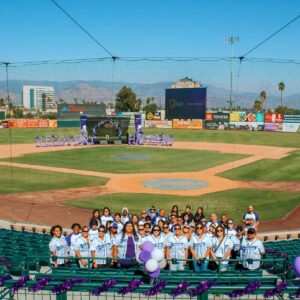
Recovery Happens is an annual event hosted by San Bernardino County DBH in September. The event is part of the National Recovery Month. Recovery Happens is a celebration of the power of resilience through recovery and a chance to recognize the hard work and dedication of behavioral health staff and community partners, who strive toward helping others live a life of recovery.
This event is held to show that individuals can recover from substance use and change their life around for the better. Throughout the years, this event has grown tremendously, and more people have joined in this celebration to foster a positive environment and support San Bernardino County’s vision of recovery. This year Recovery Happens was held on September 28, 2024, at the San Manuel Baseball Stadium in San Bernardino, where approximately 3,000 people were in attendance.
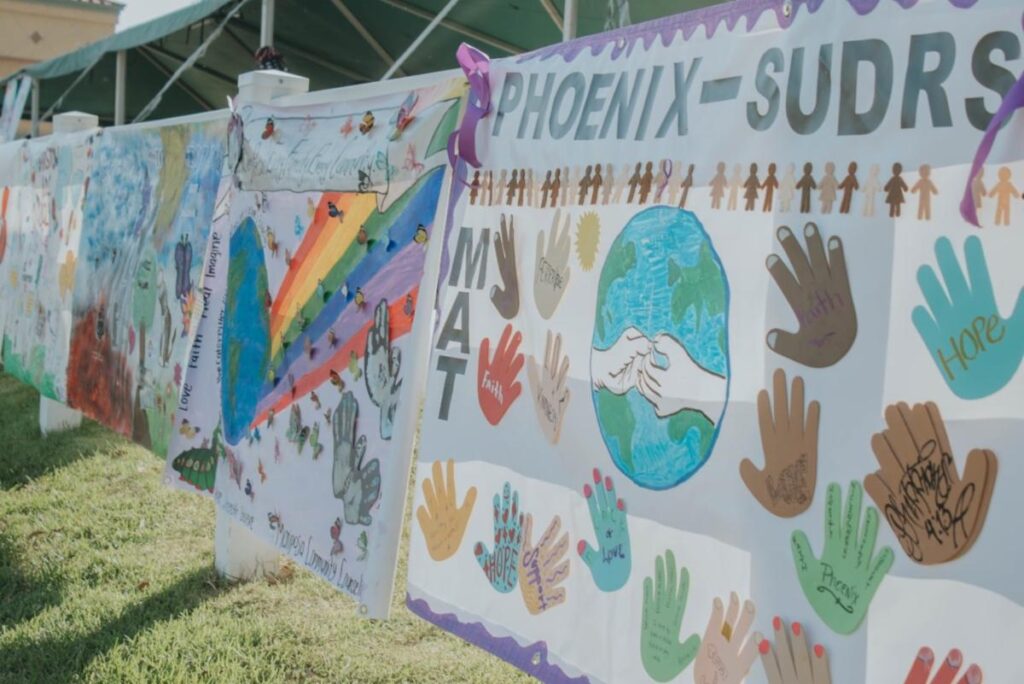
Attendees received valuable resources from community partners and participated in many wellness activities, such as Banner Contest and Circle of Love (an area where you can pay tribute to loved ones that have passed away due to their substance use or are currently struggling with substance use). In addition, free food was provided to all attendees, as well as everyone enjoyed the music and fireworks show.
The Sound of Recovery 2024
The Sound of Recovery is now in its third year. This event was created as a part of the ongoing collaboration between the San Bernardino County DBH and San Bernardino Valley College. The idea originated from Donald Harris in 2019, a DBH Mental Health Education Consultant, and became an effort to expand substance use disorder awareness during National Recovery Month. Through the creativity of Donald Harris and the support of Dean Leticia Hector, as well as the talent and efforts of the Arts and Humanities Division at San Bernardino Valley College, the collaboration continues to mature and magnify.
The Sound of Recovery uses the creative arts to produce events that highlight the incredible stories of individuals from the recovery community who chose to work through the many challenges associated with substance use disorders. The event seeks to inform families about substance use disorders and the services available to help individuals in need of those services.
This event is held at the San Bernardino Valley College and uses the healing power of music to motivate, uplift, and encourage all community members, including college and high school students, to create a life free from substance use. The concert creates a safe and captivating environment for individuals to hear recovery-inspired music and learn about the wide variety of programs offered by the San Bernardino County Department of Behavioral Health.
View videos from the Sound of Recovery event here!
If you are interested in having your organization or prevention program featured in an upcoming bulletin, email Olivia Shrago at oshrago@cars-rp.org to get started!