
ABHPC Prevention Pathways Monthly Bulletin for November 2025
Native American Heritage Month
November is Native American Heritage Month, a time to honor the history, traditions, and contributions of Native people. In California, where more Native Americans live than in any other state, the prevention field has a critical role to play in supporting Tribal communities. Native youth and families often face unique challenges, including intergenerational trauma, cultural disconnection, and limited access to culturally appropriate prevention services. These factors can increase the risk of substance use and misuse but also highlight the importance of culturally responsive collaboration and programming.
One way prevention professionals can support Native communities is by partnering with Tribal leaders and organizations to develop and implement prevention strategies that honor cultural practices and traditions. For example, integrating storytelling, ceremony, and community gatherings into prevention programs helps strengthen protective factors such as cultural pride and belonging. By amplifying Native voices and centering community knowledge, prevention professionals can foster healing and resilience.
Below are resources to learn more about substance use and misuse prevention and related efforts for Native and Tribal communities across California:
- Tribal Medication Assisted Treatment Project: A California initiative to help meet opioid use disorder prevention, treatment, and recovery needs in Tribal and Urban Indian communities.
- Native Harm Reduction Toolkit: A resource to help California Native communities design culturally responsive harm reduction services.
- California Consortium of Urban Indian Health: A statewide network of Urban Indian health programs offering culturally centered health and wellness services.
- California Rural Indian Health Board, Inc.: A network of Tribal Health Programs and Governments committed to advancing health care through programs, advocacy, and policy.
- Didi Hirsch – Tribal Health Centers and Referrals: A directory for Tribal health clinics across Southern and Northern California for direct service access.
- Southern California American Indian Resource Center, Inc.: Provides services, including mental health support, to Native communities in San Diego and Ventura County.
Veteran’s Day – Service Members, Veterans, and their Families
Veteran’s Day is celebrated annually on November 11th and is an opportunity to express gratitude for those who have served our country while also acknowledging the challenges many veterans face after returning home. Veterans in California make up the largest veteran population in the nation, and they are at increased risk for substance use and misuse due to combat exposure, post-traumatic stress, chronic pain, and barriers to care. The prevention field can play a vital role in addressing these risks by creating supportive systems that recognize the unique experiences of service members, veterans, and their families (SMVF).
Community-based prevention efforts can focus on reducing stigma, increasing access to care, and fostering peer networks that encourage connection and resilience. Programs such as veteran peer mentorship, community reintegration support, and trauma-informed prevention services are powerful tools that can reduce isolation and risk for substance use and misuse. Prevention professionals can also collaborate with Veterans Affairs hospitals, veteran service organizations, and local coalitions to strengthen outreach and ensure SMVF know where to find resources. Honoring veterans means not only celebrating their service but also investing in their long-term health and well-being.
Transgender Day of Remembrance
Observed annually on November 20th, Transgender Day of Remembrance is an occasion to honor the lives of transgender people lost to violence, while also bringing light to the inequities that make transgender communities more vulnerable. Transgender people, particularly youth, face disproportionate risks for substance use and misuse due to stigma, discrimination, family rejection, and barriers to affirming care. These systemic challenges create both health and safety concerns that require tailored prevention responses.
Prevention professionals can contribute by promoting affirming environments where transgender individuals feel safe, respected, and supported. Research shows that protective factors like family acceptance, supportive schools, and affirming health services significantly reduce the risk of substance use and misuse. California prevention leaders can strengthen partnerships with Two-Spirit, Lesbian, Gay, Bisexual, Transgender, Queer, Intersex, and Asexual + (2SLGBTQIA+) community centers, schools, and healthcare providers to integrate gender-affirming practices into prevention programming. By centering compassion and visibility, the prevention field can help create conditions where transgender people not only survive but thrive.
To learn more about Transgender Day of Remembrance and California-based resources for 2SLGTBQIA+ behavioral health services, check out the following resources:
- University of California San Francisco 2SLGBTQ+ Community Resources: A listing of mental health, peer support, and substance use and misuse services for 2SLGTBQ+ communities in the Bay Area.
- Los Angeles County 2SLGBTQIA+ Mental Health Resources: Offers a wide set of services, including help lines and referral resources.
- The San Diego LGBT Community Center: Local programs for behavioral health, support groups, youth services, and more.
- Long Beach Health and Human Services: County-level resource listings for health, affirming services, and education.
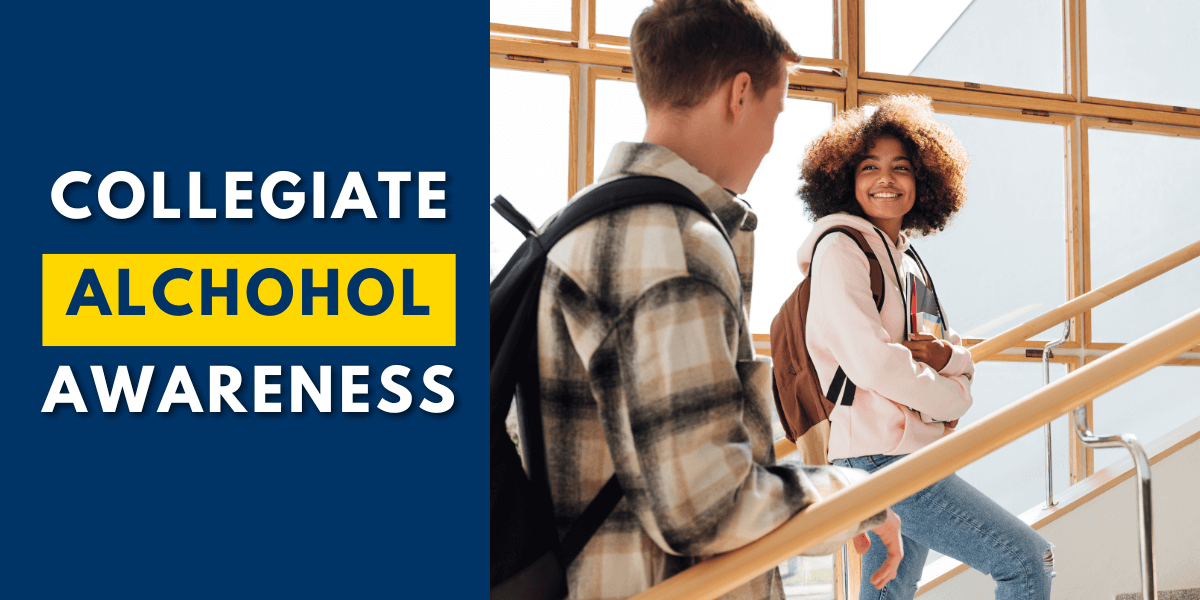
Collegiate Alcohol Awareness
Collegiate Alcohol Awareness highlights the importance of addressing alcohol use and misuse among young adults, especially those attending college. College students face unique pressures that can contribute to risky drinking behaviors such as social norms around partying, stress from academics, and being away from home for the first time. Excessive alcohol use not only affects student health and safety but can also lead to long-term substance use and misuse challenges.
College-based alcohol prevention efforts are making strides through evidence-based strategies like peer-to-peer education, social norming campaigns, and increasing access to alcohol-free campus events. Colleges and prevention coalitions can also strengthen protective factors by building supportive environments where students feel connected and engaged. Collaborating with student organizations, faculty, staff, and local communities helps reinforce consistent prevention messaging. By fostering awareness and creating healthier choices, we can help reduce the risks associated with alcohol use and misuse.
Learn more about these and other efforts to reduce college alcohol use and misuse at the National Institute on Health’s College Alcohol Intervention Matrix website.
Labor Acknowledgements: The Why and How
The purpose of labor acknowledgments is to recognize the past and present inequities within the labor force by Black, Brown, Indigenous, People of Color (BIPOC). As prevention professionals, we should hold space for recognizing the collective debt of BIPOC labor in which individuals suffered through enslavement and still experiencing present-day workforce labor and pay inequities.
There are not as many resources on best practices for labor acknowledgements as there are land acknowledgements. Below are some resources for further information, including scripts for labor acknowledgements you can use in your work:
- On Labor Acknowledgments and Honoring the Sacrifice of Black Americans
- Seattle Colleges Land and Labor Acknowledgement Offered at 49th Annual MLK Celebration (1/17/2022)
Community Spotlight: The Sound of Recovery 2025 – San Bernardino County Department of Behavioral Health Substance Use Disorder and Recovery Services
Guest Contributors: Gustavo Cisneros (Program Manager I) and Donald Harris (Consultant)
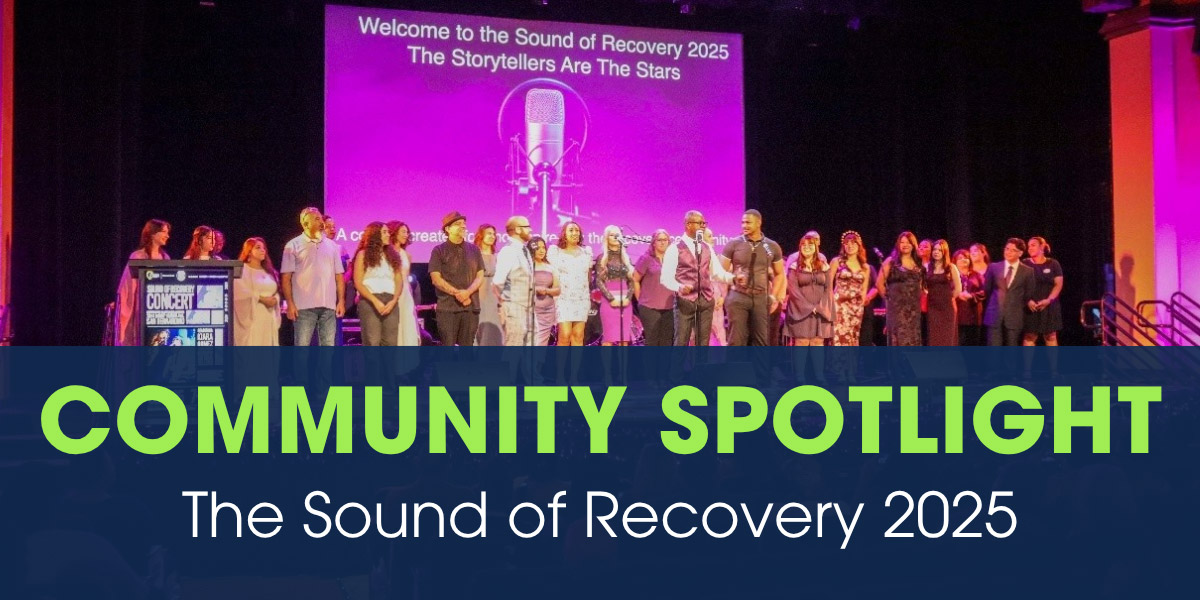
The Sound of Recovery is now in its fourth year. This event was created as a part of the ongoing collaboration between the San Bernardino County Department of Behavioral Health (DBH) and San Bernardino Valley College. The idea originated from Donald Harris in 2019, a DBH Mental Health Education, and became an effort to expand substance use disorder awareness during National Recovery Month. Through the creativity of Donald Harris and the support of Dean Leticia Hector, as well as the talent and efforts of the Arts and Humanities Division at San Bernardino Valley College, the collaboration continues to mature and magnify.
The Sound of Recovery uses the creative arts to produce events that highlight the incredible stories of individuals from the recovery community who chose to work through the many challenges associated with substance use disorders. The event seeks to inform families about substance use disorders and the services available to help individuals in need of those services.
This event is held at the San Bernardino Valley College and uses the healing power of music to motivate, uplift, and encourage all community members, including college and high school students, to create a life free from substance use. The concert creates a safe and captivating environment for individuals to hear recovery-inspired music and learn about the wide variety of programs offered by the San Bernardino County Department of Behavioral Health.
DHCS Announcements and Updates
DHCS Proposition 64 Advisory Group Meeting
On November 13, 2025, from 10 a.m. to 2 p.m., DHCS will host the Proposition 64 Advisory Group (Prop 64 AG) meeting. The meeting will be held in hybrid format at Sierra Health Foundation Center for Health Program Management, 2150 River Plaza Drive, Suite 400, Sacramento, CA 95833. At this meeting, participants will hear presentations from California Natural Resources Agency, California Department of Social Services, California Department of Public Health and The Center at Sierra Health Foundation on progress achieved over the last year with their Prop 64 Youth Education, Prevention, Early Intervention and Treatment (YEPEITA)-funded programs. DHCS will also provide an overview of the 2025 YEPEITA Legislative Report. Meeting information, including the agenda, webinar link, and additional materials, will be posted on the Prop 64 AG webpage. For questions, please email DHCSProp64@dhcs.ca.gov.
If you are interested in having your organization or prevention program featured in an upcoming bulletin, email Olivia Shrago at oshrago@cars-rp.org to get started!