
ABHPC Prevention Pathways Monthly Bulletin for October 2025
Indigenous People’s Day
October 13th, 2025, marks Indigenous People’s Day, a time to reflect on the rich cultures, histories, and continuing presence of Indigenous Peoples. This observance is not only about acknowledgment, but also about recognizing the ongoing impacts of colonization, displacement, historical trauma, and systemic inequities that disproportionately affect Native American and Alaska Native communities in the state. For example, higher rates of substance misuse are observed among Indigenous populations, driven in part by intergenerational trauma, marginalization, and limited access to culturally responsive treatment.
One key initiative in California to address these disparities in substance misuse is the Tribal Medication-Assisted Treatment (MAT) Project, which aims to meet the opioid use disorder, stimulant use disorder, and other substance use disorder prevention and recovery needs of Tribal and Urban Indian communities. This program integrates MAT with cultural and traditional healing practices, ensuring that prevention and recovery are not just clinically effective but also resonate with tribal values and worldviews. These culturally informed prevention strategies enhance protective factors such as connectedness to culture, family, land, and identity while addressing risk factors associated with substance use.
Below are some ways you can get involved in Indigenous People’s Day:
- Look for Indigenous People’s Day events in your community, support Native-owned businesses, and learn more about the history of the land you live on.
- Engage in educational opportunities such as workshops, cultural presentations, or reading works by Indigenous authors. The National Museum of the American Indian and Boys & Girls Club of America have resources to learn more.
- Begin regularly incorporating Land Acknowledgments into your organization’s practices.
Land Acknowledgments: The Why and How
A land acknowledgment is a formal statement that recognizes the Indigenous and Native people who are original stewards of the land, including California tribes, and the ongoing relationship those people have with their land. The “why” is rooted in respect, historical truth, reconciliation, and recognizing that colonial history has contributed to lasting health disparities. When communities acknowledge land, they open space for truth-telling, elevate Indigenous and Native histories, and allow for Indigenous and Native people’s perspectives to be centered.
The “how” involves several best practices: researching which tribes’ traditional lands your organization or event occupies, consulting with local Indigenous and Native leaders or tribal nations, acknowledging in meaningful, not performative ways, and linking the acknowledgment with action, especially in supporting Indigenous health equity. The Native Governance Center has a guide to Indigenous Land Acknowledgment that can help, and you can use tools like Native Land Digital to find whose land you reside on and contact information for local tribes.
When done well, land acknowledgments can strengthen trust, which is critical for prevention work. Communities that feel seen, respected, and engaged are more likely to engage with prevention programming. These efforts can also help destigmatize substance use/misuse and mental health by putting those challenges in historical and systemic context rather than only as individual issues.
Blindness Awareness Month
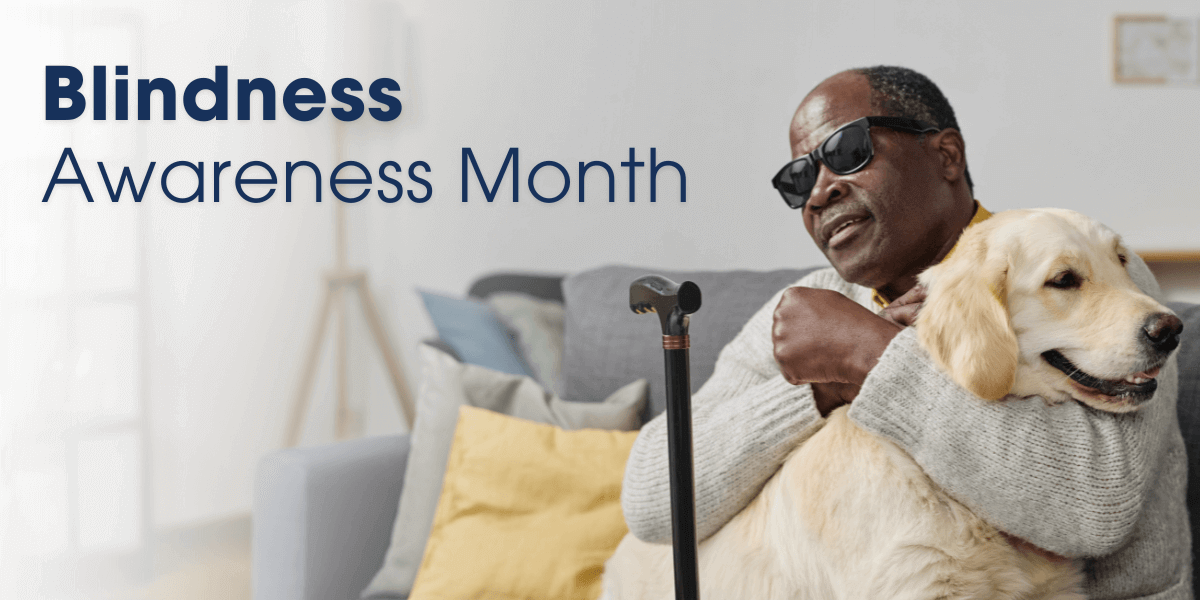
October is Blindness Awareness Month, which brings attention to the realities and challenges of blindness, visual impairment, and eye health. Challenges can include accessibility in the community, barriers to treatment and prevention efforts, social isolation and mental wellbeing, and others. Studies have found associations between vision impairment in youth and higher rates of anxiety, depression, or other mental health disorders. It is important for prevention programs to be accessible for people with visual impairment, ensuring that messaging and activities are designed so that people who are blind or low vision can meaningfully participate.
To learn more about Blindness Awareness Month, vision impairment, and creating accessible communities, check out the following websites and resources:
- International Agency for the Prevention of Blindness
- Center for Research on Disability
- American Foundation for the Blind (AFB)
- National Council on Aging
National Bullying Prevention Awareness Month and Unity Day
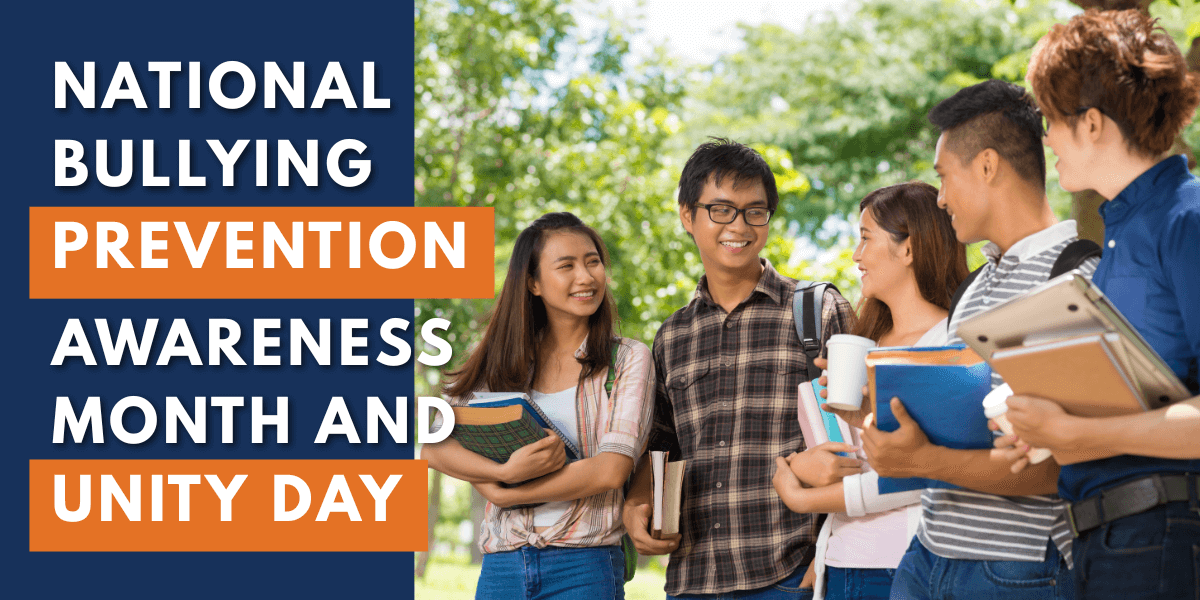
National Bullying Prevention Awareness Month occurs annually in October. This month of recognition aims to emphasize creating a culture of kindness, acceptance, and inclusion in schools and communities to prevent bullying. Bullying has well-documented negative effects on mental health such as depression and anxiety, which makes bullying prevention an important component of overall prevention and wellbeing.
Unity Day is also celebrated this month, this year on October 22nd. Primarily celebrated in schools, Unity Day encourages students and staff to wear orange as a symbol of their commitment to prevent bullying. While visibility and a unified anti-bullying message is important, more action is vital to have effective bullying prevention. Schools may incorporate anti-bullying policies, counseling, and social/emotional learning programs. To further efforts in building resilience factors, schools could offer joint programs that address bullying, coping skills, resilience, peer support, and substance use risk. Bringing in educators, students, and caregivers together to address these challenges can help build protective factors in schools and safe school climates.
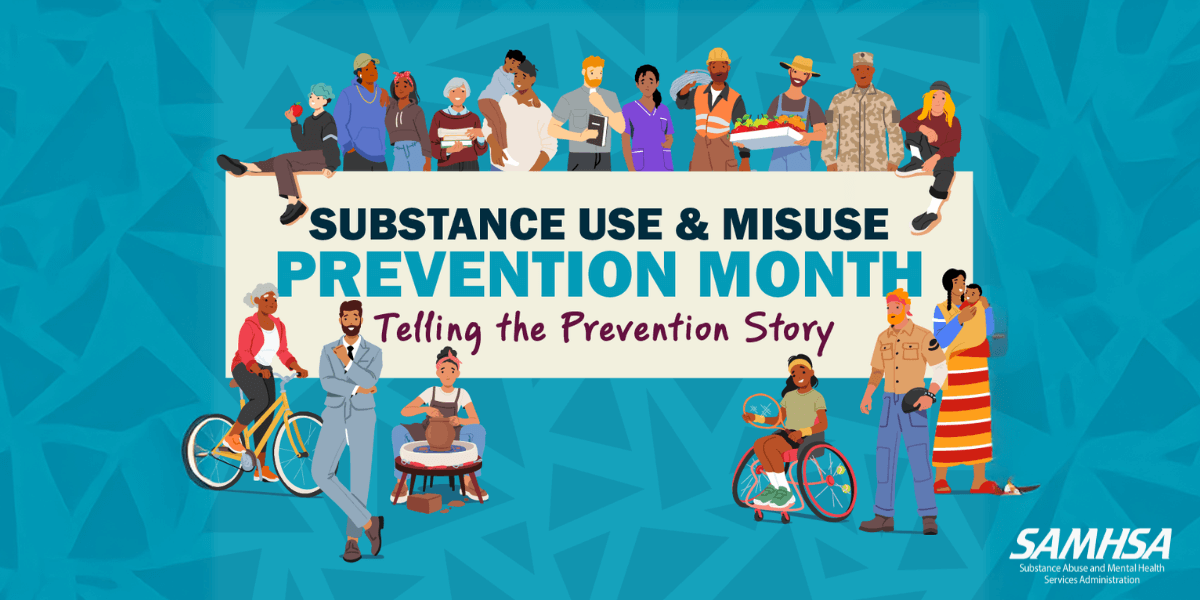
Community Spotlight: Substance Use and Misuse Prevention Month in California
October is Substance Use and Misuse Prevention Month. This year, the theme is “Telling the Prevention Story.” By sharing experiences about how prevention efforts improve our lives and our communities, we can encourage others to engage in prevention efforts and spread awareness of the field. The Substance Abuse and Mental Health Administration has a toolkit for Substance Use and Misuse Prevention month for you and your organization to use.
Share your successes! We invite you to tell us what you and your organization are doing for Substance Use and Misuse Prevention Month in October, and we can feature you in one of our upcoming monthly Prevention Pathways Bulletin. Email oshrago@cars-rp.org for more information.
If you are interested in having your organization or prevention program featured in an upcoming bulletin, email Olivia Shrago at oshrago@cars-rp.org to get started!