
ABHPC Prevention Pathways Monthly Bulletin for June 2024
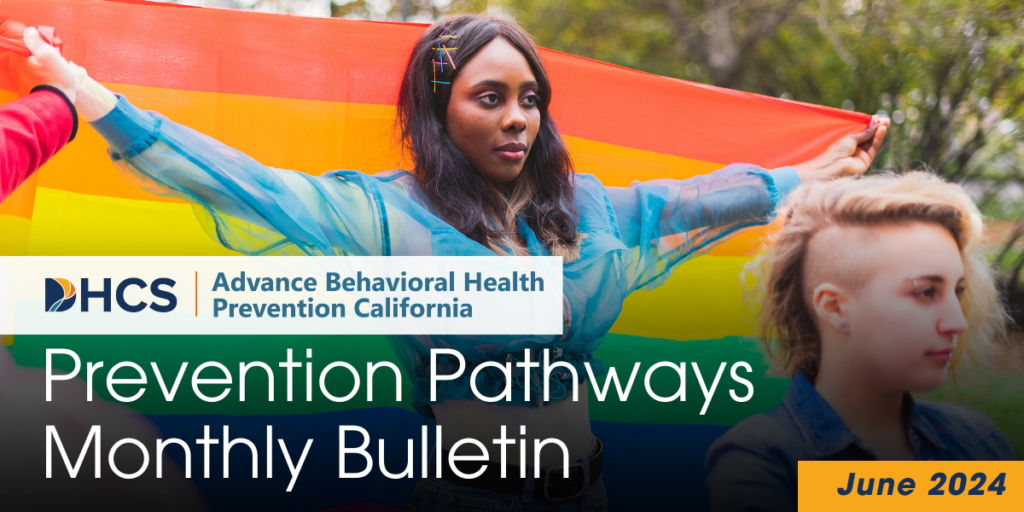
Lesbian, Gay, Bisexual, Transgender, Queer, Intersex, Asexual, Two-Spirit + (LGBTQIA2S+) Pride Month
Lesbian, Gay, Bisexual, Transgender, Queer, Intersex, Asexual + (LGBTQIA2S+) Pride Month was first celebrated in June of 1970 to commemorate the anniversary of the Stonewall Uprising. The Stonewall Uprising occurred at a gay bar in New York City, at a time when homosexuality was a criminal offense in New York state. The Stonewall Inn was one of several gay bars in New York City that was regularly raided by police under the guise of investigating illegal alcohol sales. On June 28, 1969, a several-hour long raid turned into a protest that lasted six days. This protest sparked further activism for LGBTQIA2S+ rights.
Although progress has been made throughout the decades since the Stonewall Uprising, there are currently hundreds of anti-LGBTQIA2S+ bills being proposed or passed across the United States. Anti-LGBTQIA2S+ hate crimes in California have increased over the past few years, including a recent drive-by pellet-gun shooting of four LGBTQIA2S+ bars in San Diego that is currently being investigated as a possible hate crime.
These anti-LGBTQIA2S+ hate crimes remind us of the importance of supporting the LGBTQIA2S+ community. The California Civil Rights Department established the non-emergency CA vs Hate Resource Line and Network to support individuals and communities targeted for hate. During Pride Month, CA vs Hate is showing up and showing out at LGBTQIA2S+ events across California to offer support and resources and celebrate equality, unity, and allyship in the fight against hate.
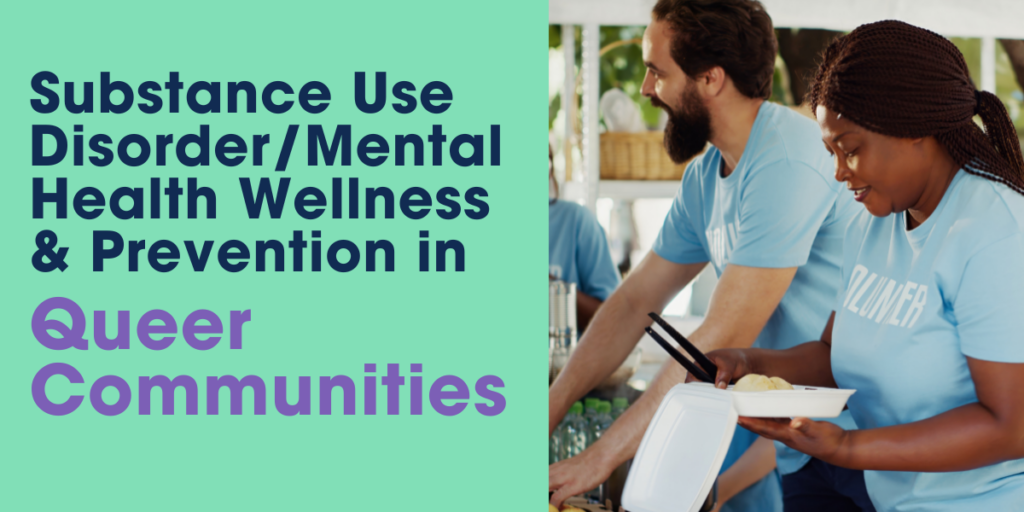
Substance Use Disorder/Mental Health Wellness & Prevention in Queer Communities
It is important to recognize the unique substance use, and mental health barriers faced by queer communities. According to data from the Substance Abuse and Mental Health Services Administration, “lesbian, gay, and bisexual adults are more likely than straight adults to use substances, experience mental health issues including major depressive episodes, and experience serious thoughts of suicide.” Additional studies show that transgender and nonbinary people also experience higher rates of mental health concerns and substance use than cisgender people. These disparities are likely influenced by trauma from discrimination in public and schools, from healthcare providers, and challenges with acceptance in the community and with familial or social connections.
There are methods to address these disparities in substance use and mental health. Using a trauma-informed approach to care to service provision to LGBTQIA2S+ individuals can create an environment of safety and trust to influence health outcomes. The Trevor Project has resources on preparing yourself for conversations about the intersectionality of race and sexuality, including a reference specific to Black LGBTQIA2S+ individuals. Healthy People 2030 has identified improving the wellbeing of LGBTQIA2S+ people as a goal, with objectives addressing youth drug and alcohol use and reduction of suicidal thoughts. California’s LGBTQ Health and Human Services Network provides a directory of providers, community centers, and researchers focused on LGBTQIA2S+ health. They are a Healthy People 2030 champion and have been officially recognized by the Office of Disease Prevention and Health Promotion within the Department of Health and Human Services.
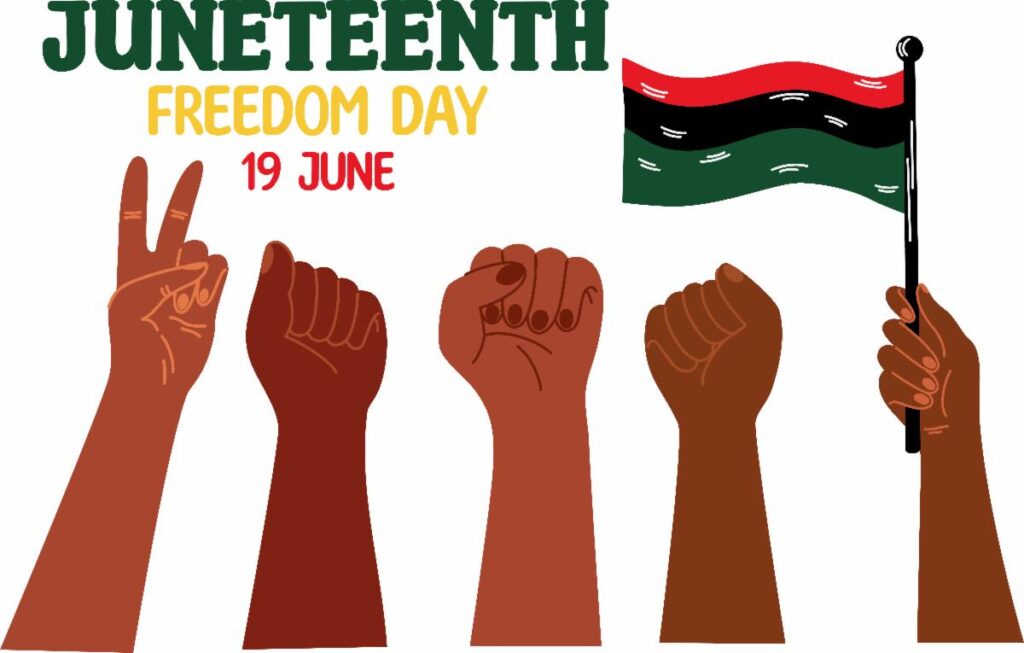
Juneteenth
Juneteenth is the annual celebration of June 19th, 1865, the day that enslaved African Americans in Galveston, Texas were informed of their freedom two years following President Abraham Lincoln’s emancipation proclamation. However, African Americans still faced barriers to improved conditions – lack of property, wealth, and opportunities stunted progress for formerly enslaved people. Every freedom had to be fought for – through the civil rights movements in the 1950s and 1960s, and through the more recent Black Lives Matter movement. As prevention professionals, we have a duty to promote the wellbeing and equity for people of color throughout our work.
Racial disparities and inequities are present throughout systems in the United States and create barriers for black people including access to healthcare, safe communities, and economic opportunities. By weaving cultural humility and centering the voices of propriety populations, we can begin to address these inequities. Fortunately, there are research and resources available to begin practicing cultural humility in our work and lives:
- A Theory of Cultural Humility
- A theory developed by Dr. Cynthia Foronda on how to incorporate cultural humility into professional settings.
- Structural Racism and Supporting People of Color: The Role of Prevention Professionals
- This resource from the Prevention Technology Transfer Center Network identifies five areas of action items for prevention leaders to incorporate anti-racism into their organizations and work.
- Addressing Substance Use and Social Needs of People of Color with Substance Use Disorders
- A summary of several methods of supporting people of color in substance use treatment, with applicability to prevention work, from the United States Department of Health and Human Services.
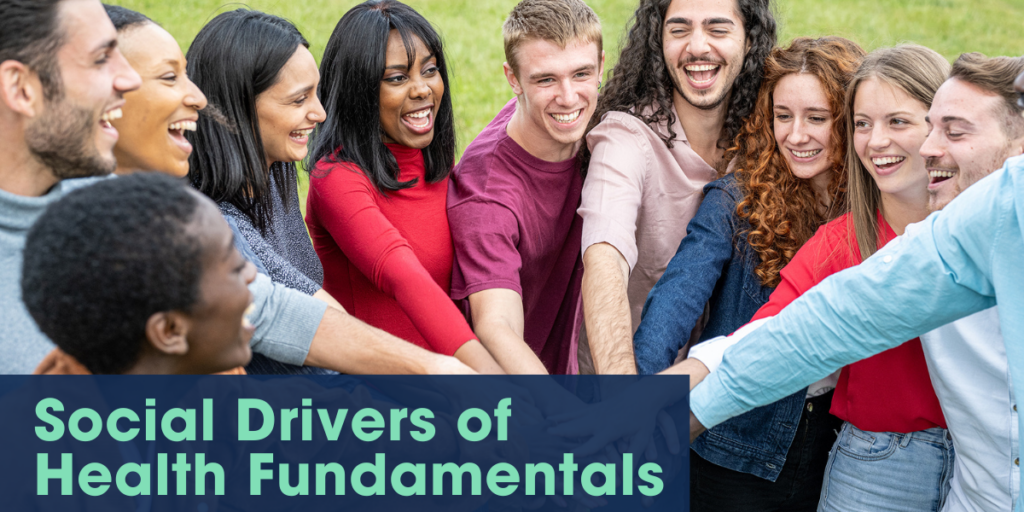
Social Drivers of Health (SDOH) Fundamentals: Prevention Applications via Social and Community Context
Our social and community networks have a major impact on our health. Not only are supportive social relationships key to long-term wellbeing, but behaviors and beliefs spread through our social networks. Connection with others in our community, and trusting relationships between youth and adults are known protective factors against harmful behaviors.
Healthy People 2030 has outlined a series of objectives aimed at increasing social and community support, including communication goals for children, adolescents, and adults, health literacy, and reduction of bullying. Research around these goals makes a strong case for mentoring programs, such as the California Mentoring Partnership and MENTOR California.
We can leverage social networks to spread prevention and behavior change. Peer leadership models can be used in prevention for youth and adults. Social network prevention and intervention has been successful in behavior changes around a variety of health outcomes, and research shows peer engagement leads to effective substance use prevention with youth. In addition, the National Library of Medicine has an extensive resource on methods for incorporating community members into prevention to ensure prevention fits the needs, interests, and capacity of a community.
If you are interested in having your organization or prevention program featured in an upcoming bulletin, email Olivia Shrago at oshrago@cars-rp.org to get started!