
ABHPC Prevention Pathways Monthly Bulletin for August 2024
National Back to School Month
August is National Back to School Month, an important reminder that school-aged and transition-aged youth and their caregivers benefit greatly from support and ongoing prevention work. Through research and best practices, schools have been identified as a domain for experiencing and identifying risk and protective factors related to substance use and mental health.
Risk factors for substance use present in schools include, but are not limited to, availability of substances, low commitment to school, and norms favorable to substance use. Protective factors include opportunities for prosocial engagement and development of skills and interests, safety, and positive connections with adult mentors. Using a shared risk and protective factors approach in schools and involving community entities can address those factors related to the school domain.
Compass Health has tips to support mental health for youth going back to school, and how to identify mental health concerns and substance use from pre-school through high school. The California Department of Health Care Services’ (DHCS) upcoming Substance Use Prevention Evidence-Based Resource will be a catalog of evidence-based practices designed for substance use prevention with youth. DHCS has published an Adolescent Substance Use Disorder Best Practices Guide with resources relevant to school settings.
Healthy People 2030 has begun researching and developing several goals related to risk and protective factors in school settings including increasing the presence of mental health staff and access to preventive mental health care in schools, and initiatives to improve the physical wellbeing of youth. You can check out their library of evidence-based resources on schools here.
Let’s talk! Advance Behavioral Health Prevention California is hosting a Prevention Pathways Community of Practice session: Creating and Sustaining School-Based Sector Partnerships on Tuesday August 27th from 1:00 p.m. – 2:30 p.m. PT.
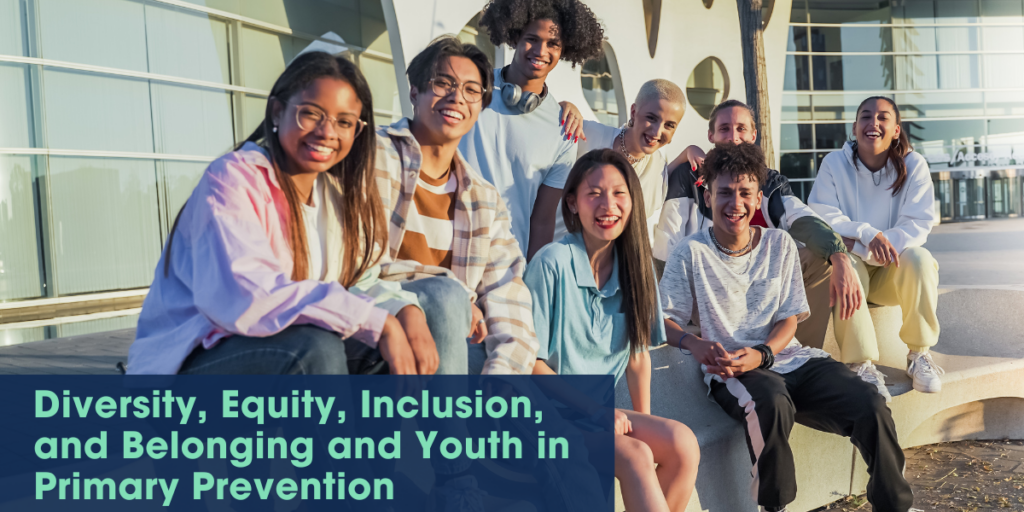
Diversity, Equity, Inclusion, and Belonging and Youth in Primary Prevention
As the Strategic Prevention Framework shows, when identifying and implementing prevention activities, it is crucial that cultural considerations are embedded throughout the process. Our priority populations should be invited alongside us and appropriately represented in the decision-making process. These needs apply to youth-focused prevention as well. Youth with different social identities experience different risk and protective factors throughout their lives and environments, which can make them strong opinion leaders regarding prevention efforts.
Youth can provide an insider perspective on the behaviors and beliefs of their peers, as well as informed opinions on which prevention methods will be effective with their age group. The Socio-Ecological Model illustrates how behavior is influenced by our peers, which makes a strong case for peer-led prevention programming. Youth social networks can be leveraged to spread social norms that are less favorable towards substance use as a method of counteracting the peer pressure to engage in substance use.
Inclusion and belonging are critical, as they foster environments where youth feel valued and respected, which increases their interest and engagement in prevention efforts. Representation in leadership is valuable for “increasing social connection, belonging, and community support.” Having leaders from diverse backgrounds allows for a variety of approaches and experiences that those being led can relate to. Research also shows the importance of adult representation in youth academic success. A study by John Hopkin’s University and American University found that “black students who’d had just one black teacher by third grade were 13 percent more likely to enroll in college—and those who’d had two were 32 percent more likely.” Additional research shows that mental health outcomes improve when Lesbian, Gay, Bisexual, Transgender, and Queer youth have at least one accepting adult in their lives.
We should always keep in mind that representation matters, and the phrase “nothing about us without us” is more than just a catchy slogan – it is an important method of fostering success in prevention.

National Fentanyl Prevention and Awareness Day and International Overdose Awareness Day
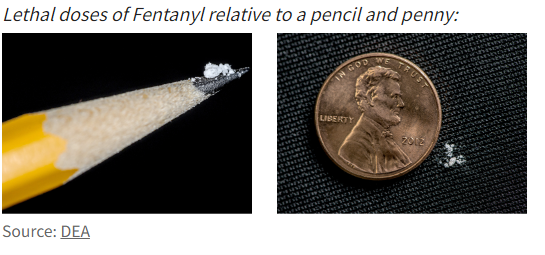
August 21st is National Fentanyl Prevention and Awareness Day, and August 31st is International Overdose Awareness Day. In California, between 2019 and 2021, opioid-related fatalities increased 121%, the majority of which were linked to fentanyl. Fentanyl is an opioid that is “approximately 100 times more potent than morphine and 50 times more potent than heroin as an analgesic.” Illicit fentanyl has been found in street drugs including, but not limited to, heroin, cocaine, and meth. Xylazine, a non-opiate sedative, has also been found in drug mixtures related to overdose fatalities.
Awareness days are a valuable opportunity for prevention programs to engage with the community. Prevention specialists can leverage these days to provide education, visibility in the community, and collaboration with relevant entities. The following are local and national resources to understanding the risks and supports available surrounding opioid use as well as ways to get involved with National Fentanyl Prevention and Awareness Day and International Overdose Awareness Day.
- California Department of Public Health: fentanyl and opioid overdose prevention facts and links to information on Naloxone, fentanyl test strips, and more.
- Operation Engage Southern California: data about California-specific opioid and drug use, external links to relevant organizations including youth-focused prevention.
- National Fentanyl Prevention and Awareness Day: informational posters.
- International Overdose Awareness Day Campaign Resources: educational materials and toolkits for advocacy, media, and campaigns.
- California Department of Health Care Services Opioid Response: prevention, treatment, and recovery efforts that aims to increase access to Medication Assisted Treatment, reduce unmet treatment need, and reduce opioid related deaths.
Community Spotlight: Riverside University Health System – Behavioral Health’s Substance Abuse Treatment Services
Riverside University Health System – Behavioral Health (RUHS-BH) Substance Use Prevention and Treatment Services (SAPT) offers various substance use and misuse prevention and treatment services for individuals and families in Riverside County through 11 RUHS-BH clinics and at various school campuses throughout Riverside County. These services include prevention, residential detoxification, outpatient, and residential medication-assisted treatment for those addicted to alcohol or opiates, residential outpatient counseling, intensive outpatient counseling, and narcotic treatment. All programs use evidence-based practices and approved treatment methods.
At the heart of Riverside County, the Friday Night Live (FNL) Partnership, under the direction of RUHS-BH, illuminates the path for youth by initiating prevention activities both at school and within community organizations. Embracing diversity, our youth-adult partnership targets the prevention of substance use, ensuring a brighter tomorrow. The FNL mission includes promoting youth-adult partnerships, multi-cultural approaches, youth-led initiatives, and substance use prevention among youth. FNL promotes wholesome healthy lifestyle choices through prevention education in numerous schools throughout the county.
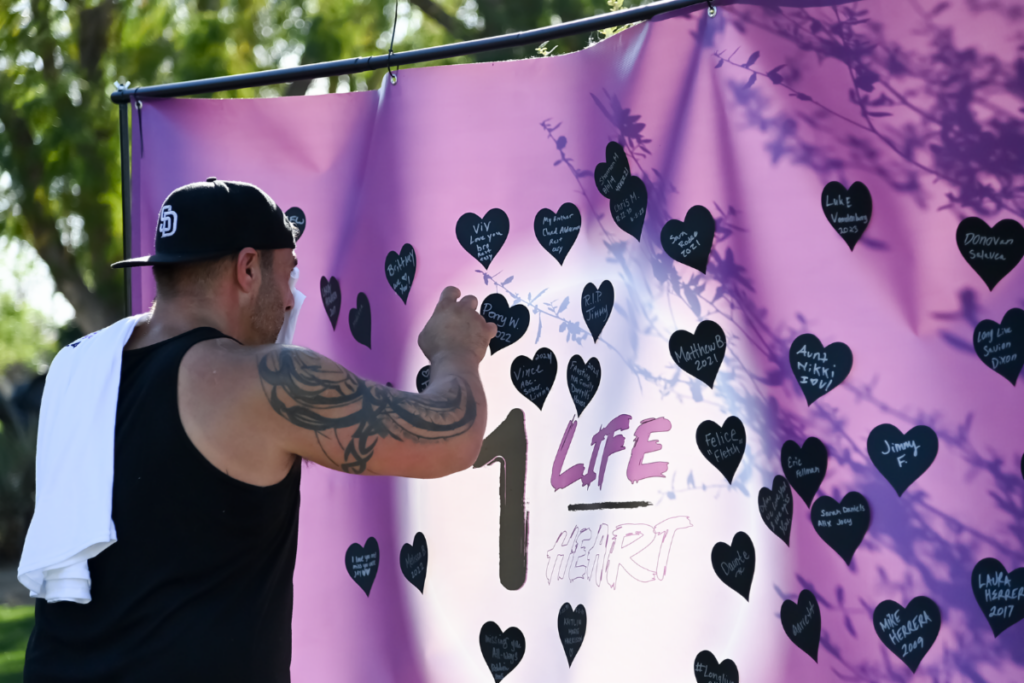
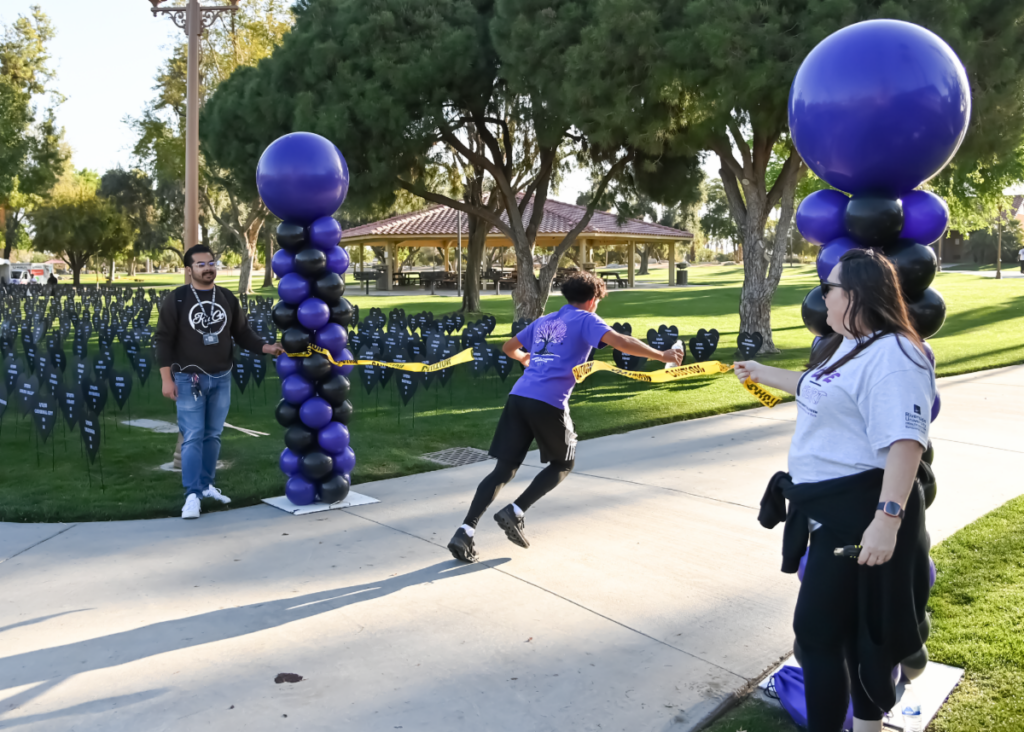
The SAPT at RUHS-BH organized the inaugural 1 Life 1 Heart Poisoning and Overdose Awareness 5k Walks. The goal of the walks was to raise awareness about substance misuse, poisoning, and overdose, and to provide access to prevention and treatment services while honoring those who have been lost to poisoning and overdose. The event featured a memorial walk, music, food, a resource fair, and guest speakers to honor the memory of those who have lost their lives to poisoning or overdose. Guests were able to connect with community resources ranging from substance use treatment to mental health support. The event also included a memorial to honor Riverside County residents who recently lost their lives due to overdose or poisoning. The walks occurred in Palm Desert, Riverside, and Murrieta.

DHCS 2024 Substance Use Disorder Integrated Care Conference
The California Department of Health Care Services (DHCS) holds its annual Substance Use Disorder (SUD) Integrated Care Conference in Long Beach, California.
The conference provides an opportunity for over a thousand professionals to network and learn about statewide behavioral health programs and initiatives. It also serves as an opportunity for coordinating efforts to enhance the integration of SUD and mental health programs and services in various areas such as prevention, treatment, harm reduction, and recovery, with the goal of reducing health disparities for vulnerable, underserved, and under-resourced individuals and communities in California.
At this year’s SUD Conference, DHCS will showcase milestones and achievements from several statewide programs and initiatives aligned with the Administration’s goals. These goals focus on improving statewide accountability, transparency, and increasing access to housing, behavioral health programs, and services.
Notable programs and initiatives to be highlighted include:
- California Advancing and Innovating Medi-Cal.
- Behavioral Health Continuum Infrastructure Program.
- California Medication Assisted Treatment Expansion Project.
- Behavioral Health Bridge Housing.
- California Youth Behavioral Health Initiative.
- California Behavioral Health Community-Based Organized Networks of Equitable. Care and Treatment Demonstration.
- Medi-Cal Mobile Crisis.
This year’s SUD Conference is scheduled to take place at the Hyatt Regency Long Beach and Long Beach Convention Center from August 13th to August 15th, 2024. Registration for the 2024 SUD Conference is closed, however please visit the DHCS SUD Conference website to learn more about the conference, watch the highlight video, and save the date for 2025.
For questions about the SUD Conference, please email DHCSPrevention@dhcs.ca.gov.
If you are interested in having your organization or prevention program featured in an upcoming bulletin, email Olivia Shrago at oshrago@cars-rp.org to get started!