
ABHPC Prevention Pathways Monthly Bulletin for August 2026
National Back to School Month
August is National Back to School Month. As youth and transition age youth (TAY) return to school, needs and opportunities around behavioral health arise. Changes in routine, supervision, and social support along with academic pressures can present as both risk and protective factors for behavioral health. School settings can be a tool for engaging youth and TAY in primary prevention – both assessing needs and implementing prevention programming.
Effective substance use prevention in school should begin with accurate data. Data sources such as the California Healthy Kids Survey provide valuable information about school climate, social-emotional and physical health, behavioral health and substance use, and other risk behaviors, with public dashboards that provide county, city, and district-specific information. Similarly, the Youth Risk Behavior Surveillance System provides national data, resources, and toolkits for schools to use. From there, resources such as the Substance Use Prevention Evidence-Based Resource, Rural Health Information Hub, and Centers for Disease Control are available to support selection, implementation, and assessment of effective substance use prevention programming.
National Fentanyl Prevention and Awareness Day
August 21st is National Fentanyl Prevention and Awareness Day, and serves as a reminder of the presence and impact of fentanyl on communities. Fentanyl is a synthetic opioid drug used to treat pain. It is significantly stronger than both morphine and heroin as an analgesic. Fentanyl can be legitimately prescribed by licensed medical professionals. However, illicit fentanyl is being mixed with other drugs including heroin, methamphetamine, and cocaine to increase potency and decrease cost. The lack of regulations on illicit fentanyl and its use can lead to increased likelihood and frequency of overdose.
Fentanyl is an ongoing priority in California as well. As of April 2026, the California National Guard Counterdrug Task Force has seized 1,500 pounds of fentanyl and 713,009 pills containing fentanyl. Other statewide programming includes efforts from the California Department of Health Care Services’ Opioid Response, which aim to support overdose prevention, response, treatment, and recovery. The fentanyl resource page has fact sheets on fentanyl as well as links for harm reduction information through fentanyl testing and naloxone distribution.
Overdose Awareness Week
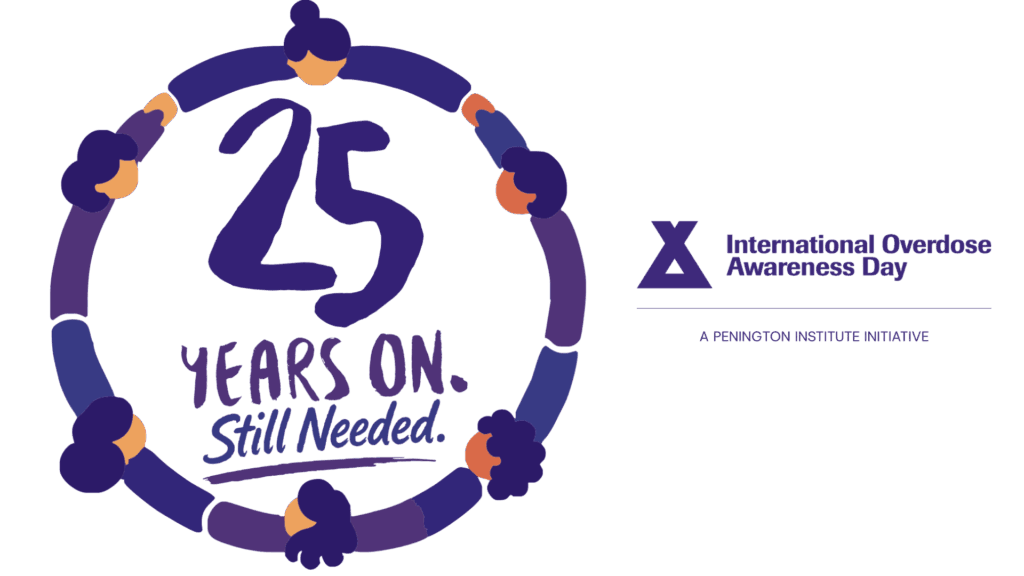
Overdose Awareness Week is also celebrated in August, ending on International Overdose Awareness Day (IOAD) on August 31st. This year’s theme for IOAD is “25 Years On. Still Needed.” The theme celebrates 25 years of IOAD, the lives lost to overdose, and the hope that comes with actions taken to save lives.
To get involved, the official IOAD website has resources to find or host an event, and campaign ideas, graphics, and social media assets to share. The Substance Abuse and Mental Health Services Administration has resources and toolkits as well, including evidence-based resources specific to overdose prevention. You can also learn about California-specific overdose statistics through the California Department of Public Health’s Overdose Prevention Initiative.
Join us for our upcoming Opioid Use and Misuse Series:
- Part 1: Opioid Use Across Populations and Communities | August 12, 2026 10:00 a.m. – 12:00 p.m.
- Part 2: Understanding, Preventing, and Acting on the Opioid Crisis | Date & Time TBD
- Roundtable: Opioid Use and Misuse Prevention | August 28, 2026 10:00 am – 11:00 am.

Engaging Foster Youth in Prevention
“Nothing about us, without us” is a powerful reminder to meaningfully engage priority populations in substance use prevention programming. This process takes time and intention, especially when engaging foster youth. Currently, there are approximately 37,000 youth in foster care system in California and 400,000 in the United States overall. Foster youth experience barriers to health and wellbeing including experiences of trauma, instability in social support systems, homelessness, access to healthcare services, and higher rates of substance use and misuse. These barriers can continue into adulthood and have long term impacts of health and wellbeing.
Trust building and authentic inclusion are at the heart of engaging foster youth in prevention. Program providers should be considerate of potential mistrust of institutions that can be part of a youth’s experience in foster care. Strategies for effective, authentic engagement include creating youth advisory boards or councils, teaching self-advocacy skills for foster youth, pairing foster youth with mentors, and ensuring that the youth who are engaged in programming are representative of the populations being served.
See below for additional resources for engaging foster youth in prevention programming:
- Hart’s Ladder of Youth Participation
- San Diego County Office of Education – Foster Youth
- The Center at Sierra Health Foundation – Evidence-Based and Promising Practices Program
- Los Angeles County Department of Child and Family Services – Supporting Foster Youth at Risk or Suspected of Substance Use

Current Trends in Substance Use
It can be challenging for prevention providers to stay aware of and effectively prioritize needs in an ever-changing landscape of substance availability and related behaviors. Data through national resources such as the National Survey on Drug Use and Health and the Youth Risk Behavior Surveillance System, or state data through sources like the California School Climate, Health, and Learning Surveys help us get an overall picture of trends overtime and inform our prevention practices. These resources are incredibly valuable, but other strategies are more effective at giving contemporaneous information about emerging substance use trends. Prevention providers can get this information through local emergency and medical reports, connecting with local community coalitions and harm reduction service providers, developing focus groups among priority populations, or compliance checks at vendors.
Below are resources around current substance use trends in California.
- Nitrous Oxide Safety Information and legislative information around sale of nitrous oxide.
- Data from the Unified Cannabis Enforcement Task Force
- California Tobacco Facts and Figures 2025
- California’s Opioid Response
Join us for our upcoming Community of Practice Session Identifying and Addressing Current Trends in Substance Use | August 25, 2026, 10:00 a.m. – 11:30 a.m. – Registration coming soon!
ABHPC Consultant Spotlight: Dr. James B. Golden

Dr. James B. Golden is a leadership strategist, organizational development consultant, award-winning writer, educator, and global peacebuilder whose work centers leadership, wellness, education, and social transformation. He is the Founder of Golden Global Enterprises and Golden Global Institute, where he helps leaders and organizations strengthen culture, develop people, and build more humane systems. Dr. Golden is also the co-founder of TTC College, where he helped build a behavioral health college serving hundreds of students and guided the institution through multiple state and national approvals and accreditations.
What do you enjoy about working alongside ABHPC?
What I enjoy most about ABHPC is the sense of community it creates among its consultants. Prevention work can be challenging, but ABHPC reminds us that none of us are doing it alone. The organization genuinely invests in our growth and equips us to be the strongest coaches, trainers, and thought partners possible. When organizations take care of the people doing the work, those people are better able to take care of California’s communities.
Tell us about a project you’re working on that you’re excited about.
I’m especially excited about launching the Golden Global Fellows, a new leadership fellowship through Golden Global Institute for emerging servant leaders who want to help build healthier organizations and communities. Fellows will receive mentorship while contributing to real-world projects in leadership development, storytelling, community engagement, and systems change. The vision is to prepare a new generation of leaders who are not simply interested in holding positions, but in becoming courageous, compassionate builders of the future.
To read more from Dr. Golden, follow The Global Golden Mindset for weekly articles on leadership.
If you are interested in having your organization or prevention program featured in an upcoming bulletin, email Olivia Shrago at oshrago@cars-rp.org to get started!