
Understanding, Preventing, and Acting on the Opioid Crisis
Monday, August 24, 2026
10:00 a.m. – 12:00 p.m. PT
Part 2 – Overview
Given the impacts and dangers of opioid use, where do we go from here? Here, we outline current best practices in opioid use and misuse prevention, align community-driven safe storage and disposal efforts, and emphasize the critical role of local data in crafting effective intervention strategies. Through case studies and interactive workshops, participants will learn to develop comprehensive opioid prevention and response plans tailored to their community’s specific needs.
Roundtable: Opioid Use and Misuse Prevention
August 28, 2026 10:00 am – 11:00 am
Join us for a 60-minute facilitated roundtable to explore opioid use, misuse, and prevention more deeply, ask questions, and learn alongside your peers. This facilitator-guided space is an opportunity to reflect, discuss, ask questions, and apply what we have learned together in real time.
About the Presenters

Chelsea Keller-Elliott (she/her) is a dedicated prevention strategist with a master’s in Marriage and Family Therapy. Her professional journey spans education, clinical mental health services, and behavioral health research, with a specialized focus on Network-Informed Prevention and supporting youth and families. Currently serving as the Director of Training and Curriculum on the University of Rochester’s Network Health and Prevention team, Chelsea develops adaptive curriculum for diverse populations—from schools and faith communities to professional and military settings. Her expertise centers on critical areas including suicide and substance abuse prevention, bystander intervention, and mental health strategies for career success.
What distinguishes Chelsea’s approach is her genuine commitment to human connection. She finds profound meaning in learning from each group she works with, believing that enhancing social supports can create transformative change. Her work is driven by a belief in the power of compassionate, evidence-based prevention strategies that support individual and community well-being.
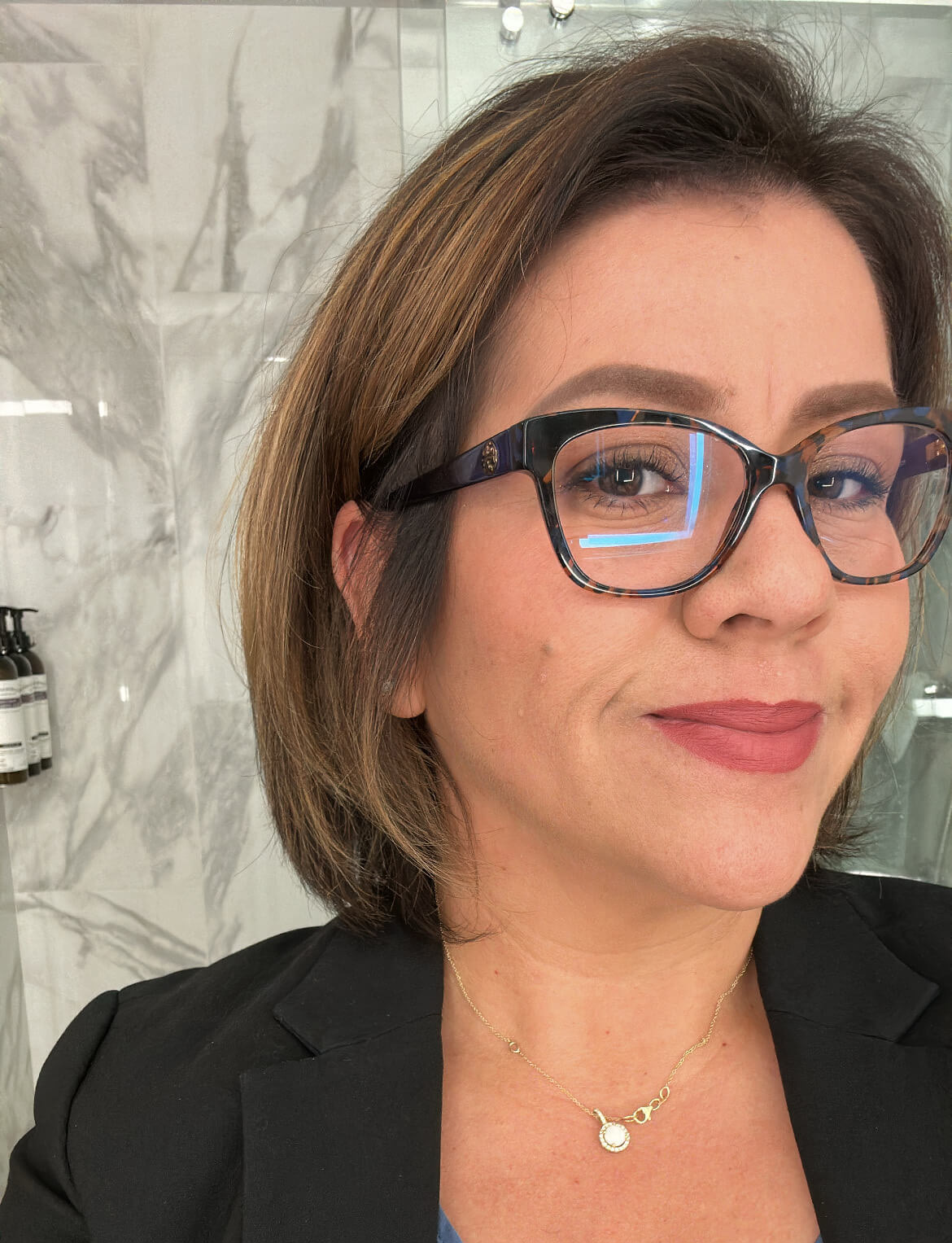
Guadalupe Ramos (she/her), Ph.D. earned a Doctoral degree in prevention science and a Master of Science degree in Clinical Psychology. Dr. Ramos’ work centers on mental health, substance use, stress and coping, and prevention and treatment interventions for minoritized communities. As a bicultural and bilingual scholar, Dr. Ramos is committed to improving the health of historically underserved populations. Dr. Ramos is also a strong advocate for participatory research methodologies that empower communities. On her free time, Dr. Ramos enjoys dancing and cooking.
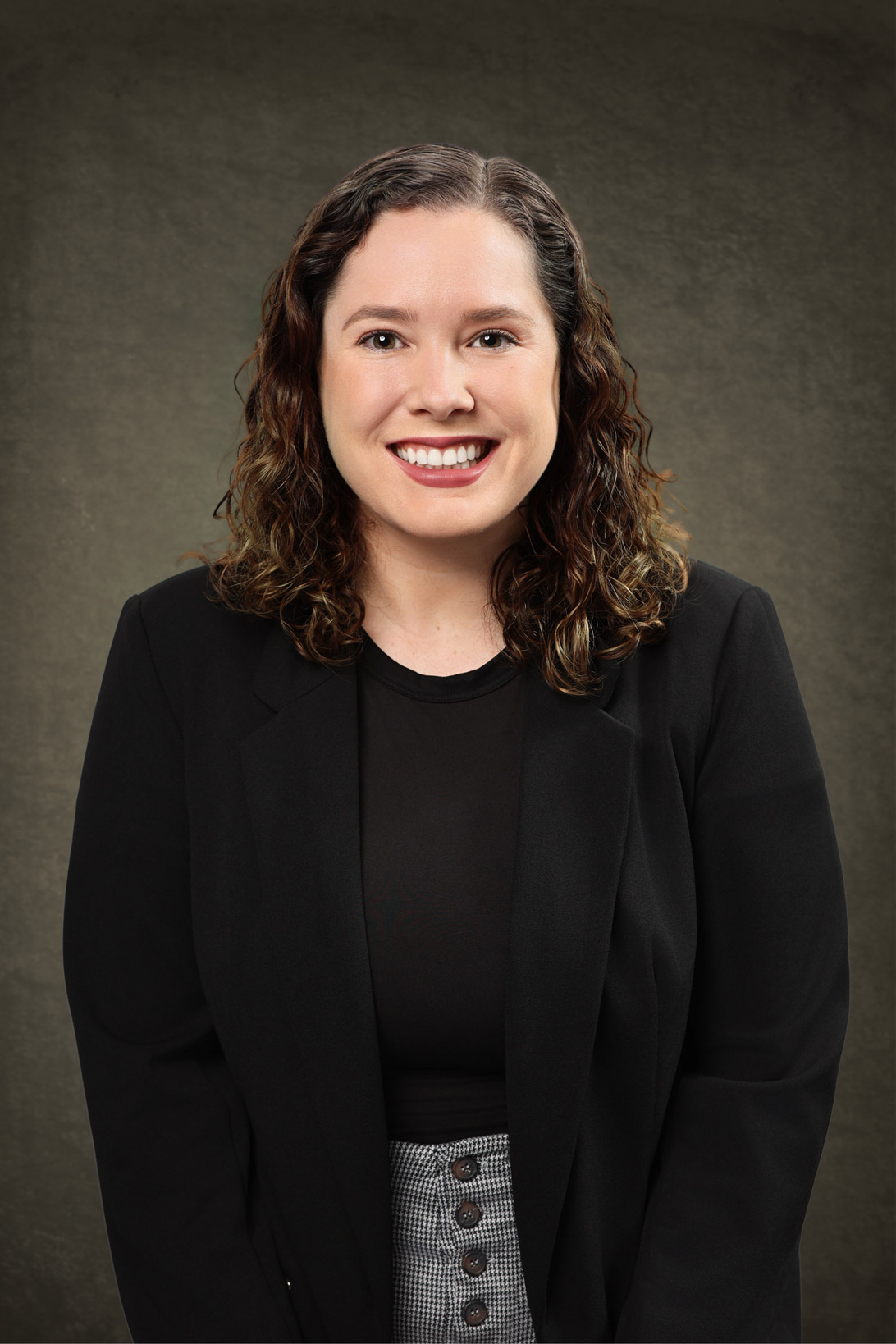
Jaclyn Calkins has a master’s degree in Clinical Medicine from Michigan State University College of Human Medicine. Her background brings together over six years of clinical and public health research experience, community work in harm reduction and youth case management, and board leadership with a syringe services nonprofit. Jaclyn’s primary areas of interest include public health and prevention for older adults, harm reduction informed prevention, and the social conditions that shape health and substance use behaviors such as housing insecurity, stigma, and social isolation. Jaclyn is committed to developing compassionate, practical, and evidence-informed trainings that help providers support people affected by substance use.