
ABHPC Prevention Pathways Monthly Bulletin for November 2026
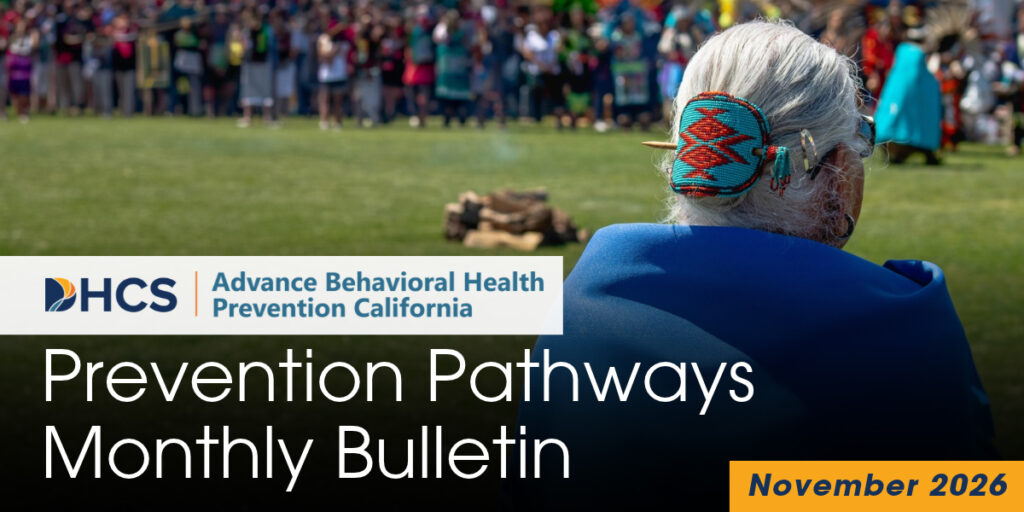
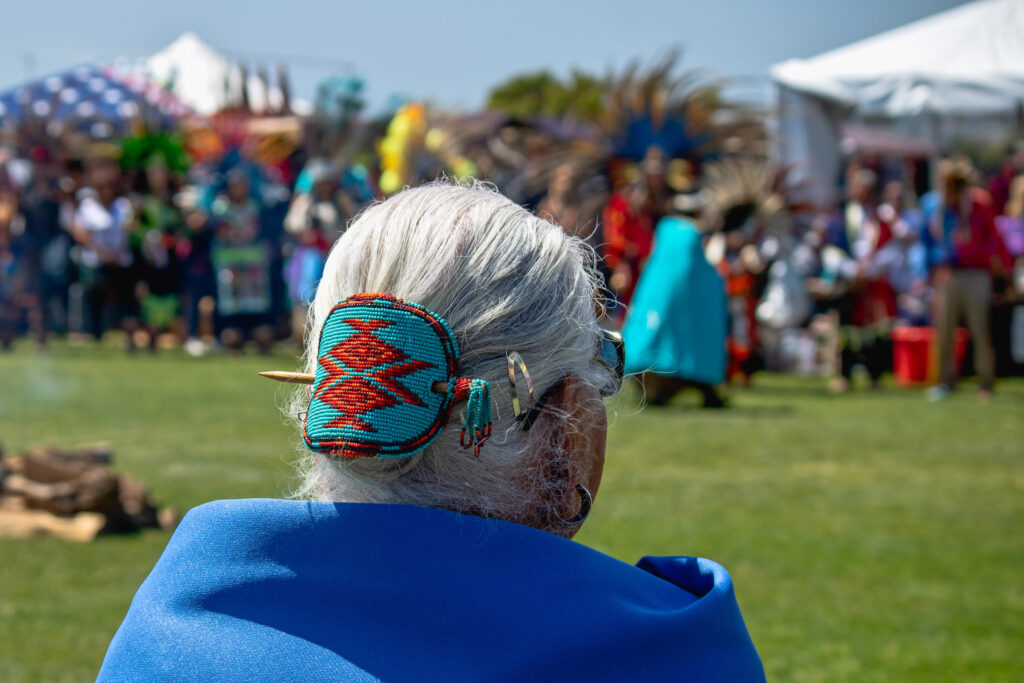
Native American Heritage Month
November is Native American Heritage Month, a time to recognize the histories, cultures, sovereignty, and contributions of American Indian and Alaska Native peoples. There are 109 Federally Recognized Tribes in California, and prevention efforts should recognize the unique cultures and priorities of Tribal nations and communities. Effective prevention acknowledges the realities of disparities in access to healthcare and resources for Tribal communities, while still honoring their strengths, knowledge, and leadership.
In Tribal communities’ cultural identity, connection to elders, language, traditional practices, and community belonging can serve as protective factors for substance use and misuse prevention. Prevention providers should collaborate with Tribal and urban Indian health programs, youth programs, Tribal organizations, and health organizations to develop culturally responsive education and prevention programming. Programs should avoid stigmatizing language and should be designed with community input and attention to local needs.
Below are resources to learn more about Native American Heritage Month and Tribal resources across California.
- Governor’s Office of Tribal Affairs
- California Native American Heritage Commission: Learn about California’s Native American heritage, Tribal communities, and cultural preservation.
- California Consortium for Urban Indian Health: Explore health and wellness resources for American Indians living in urban communities.
- California Rural Indian Health Board, Inc.: Explore Tribal health services, advocacy and policy initiatives, and resources for Tribal communities in California.
- State Indian Museum: Explore the State Indian Museum in Sacramento or Antelope Valley Indian Museum in Southern California.
- Native American Heritage Month Parade: The parade showcases cultural presenters, floats, music, in celebration of Native American heritage and culture.

Veteran’s Day – Service Members, Veterans, and their Families
Veteran’s Day is observed annually on November 11th and honors the service and sacrifices of military veterans. California is home to nearly 1.6 million veterans, which makes prevention and support for this population an important statewide public health priority. Resources like the California Department of Public Health Overdose Surveillance Dashboard can help California-based prevention coalitions identify trends around substance use for veterans and improve local outreach for these populations.
Substance use prevention is an important part of supporting service members, veterans, and their families. These individuals can face challenges associated with deployment, combat exposure, chronic pain and disabilities, mental health, transition to civilian life, and social isolation. These risk factors increase the need for accessible, culturally responsive behavioral health support.
Prevention should focus on early support, reducing stigma around help seeking, building social connections, and helping families recognize when additional assistance may be beneficial. California communities can strengthen prevention by connecting veterans with peer support, family education, housing assistance, healthcare, and confidential behavioral health services.
Below are resources around substance use prevention for service members, veterans, and their families:
- Military specific substance use prevention campaigns:
- Military OneSource:

Homelessness Awareness Month
November is Homelessness Awareness Month, with National Hunger and Homelessness Awareness Week occurring November 14th – 22nd. This month offers an opportunity to discuss and address the relationship between housing instability, behavioral health, and substance use prevention. The U.S. Department of Housing and Urban Development’s 2025 Annual Homelessness Assessment Report is a useful tool for understanding trends across the United States including population specific data, use of services, and changes over time. In California, there are an estimated 181,934 people experiencing homelessness on a single night, which is approximately 24% of the national total.
Rising housing costs, job loss, domestic violence, family conflict, disability, and insufficient access to affordable housing are all risk factors for housing loss. Substance use, misuse, or untreated behavioral health conditions may also contribute to housing instability, or these may develop or worsen while someone is coping with unsafe living conditions, trauma, or chronic stress related to homelessness.
Effective prevention requires efforts that address both immediate needs and long-term protective factors such as safe housing, access to healthcare, food security, social connection, employment opportunities, and access to culturally responsive services.
For more information on efforts to reduce homelessness, check out the California Interagency Council on Homelessness and CalMatters.

Promoting Prevention as a Career in Secondary and Higher Education
Substance use prevention is a meaningful career path for students interested in public health, education, psychology, social work, community advocacy, and helping others – but students may not be aware of these opportunities. Introducing prevention career pathways in secondary schools and colleges can help students be aware of the prevention field and that the field provides opportunities for practicing science, communication, leadership, collaboration, networking, and building healthier communities.
California has identified workforce development as an important part of strengthening behavioral health services and prevention. The state’s Substance Use Prevention Plan identifies strengthening the prevention workforce as a priority and supports broader behavioral health workforce development. The state’s prevention strategy emphasizes evidence-based and community-defined practices, resilience, community well-being, and workforce development. These initiatives create opportunities for schools, community colleges, universities, and community organizations to build pathways into prevention-related careers.
Have questions about promoting prevention careers in secondary and higher education? Join the Community of Practice session Promoting Prevention Careers in Secondary and Higher Education on November 17th and check out the ABHPC Prevention Pathways page for more resources.
ABHPC Consultant Spotlight: Dr. Bianca Beckley

Dr. Bianca Beckley (she/her) is a nonprofit leader, researcher, and youth advocate with over 10 years of experience in youth development, mentorship, community engagement, and advocacy for underserved populations. Her work focuses on identifying gaps in community resources, strengthening partnerships, and promotion of collaborative approaches that address the risk factors that contribute to substance use. She is committed to bridging the gap between law enforcement and the communities they serve by fostering meaningful partnerships, building community trust, and engaging public safety agencies as active partners in prevention. Through her work with the Lancaster Police Department, she supports collaborative efforts that connect public safety, prevention, and community well-being.
What do you enjoy about working alongside ABHPC?
What I enjoy about working alongside is ABHPC is the community we have among one another. Not only has ABHPC brought together practitioners and academics who are all passionate about prevention; but a community of individuals who are supportive, compassionate and dedicated to making an impact. My favorite thing is learning from seasoned professionals who share their expertise and knowledge. Having the ability to take that knowledge and pass it on through our trainings and roundtables is truly inspiring. The culture makes you feel valued as a contributor and a person, ABHPC cares about the person and the mission.
Tell us about a project you’re working on that you’re excited about.
As President of the SoCal Chapter of the American Society of Public Administration (ASPA), I am excited to be working on a new mentorship program. Our chapter will be connecting young professionals with seasoned leaders and other practitioners to learn from another and provide guidance where needed. As someone who has a few mentors I believe in paying it forward and giving others the same opportunity. Public service is about people, and it is important to empower the next generation of public servants. I am hoping to expand this program outside of our chapter and throughout the entire ASPA association.
What’s the latest from DHCS
As behavioral health professionals and partners, we know that the holiday season can be a time of both celebration and increased stress for the individuals and communities we serve. Supporting behavioral health is an important part of overall well-being, and resources are available to help. The California Health & Human Services Agency’s Youth Mental Health Resource Hub offers free tools, information, and support for youth, young adults, parents, caregivers, educators, and families. Resources include crisis support services, wellness tools, guidance for families, and mental health information designed to help Californians navigate life’s challenges and build resilience. Visit the CHHS Youth Mental Health Resource Hub to explore available resources and support for yourself or someone you care about.
California Expands Data Transparency and Access: On October 1, California advanced its Behavioral Health Services Act (BHSA) goal of increasing transparency with the release of the Behavioral Health Public County Profile, the state’s first public-facing tool that centralizes county-reported behavioral health. It helps Californians, policymakers, and stakeholders see how counties plan, fund, and deliver behavioral health services. This transparency dashboard supports accountability and public understanding by making county planning, funding, and performance information easy to access in one place. The profile includes counties’ three-year Integrated Plans, visualizations for a subset of BHSA performance measures, and additional statewide reporting elements. The profile makes it simpler for stakeholders to compare county data, understand how behavioral health funds are used across the state, and explore demographic, housing-related, and homelessness-related behavioral health information. For questions, email BHTinfo@dhcs.ca.gov.
Launch of the California 988 Network Website: DHCS is pleased to announce the launch of the California 988 Network website, a new centralized hub designed to help Californians learn about the 988 Suicide and Crisis Lifeline, which provides confidential and free crisis support 24/7/365. The website strengthens statewide awareness of the 988 Suicide and Crisis Lifeline and provides clear information on how to contact 988, what to expect when connecting with a trained counselor, and resources tailored for diverse communities, including schools, Tribal communities, and multilingual users. Visitors can also download free DHCS‑developed materials, such as multilingual 988 posters, flyers, and other outreach tools, to support community education and awareness efforts. To learn more, please visit the 988 website. For questions related to 988, email 988@dhcs.ca.gov.
Join the Fall 2026 IP–CANS Training: This two-day workshop offers instruction on the Integrated Practice Child and Adolescent Needs and Strengths (IP-CANS) tool and prepares participants for certification. Attendees will further their understanding of the indicators, action levels, and integration of ratings with practice settings. This training and certification are required for all individuals completing the IP-CANS on behalf of a placing agency for children and youth involved in the child welfare system. The next sessions will take place over Zoom from 9:00 a.m. to 4:00 p.m. PT.
Upcoming Fall sessions scheduled:
- November 11-12, 2026
- December 2-3, 2026
Register online here, create an account, and pick the session that works best for you. Please register at least two weeks before your chosen session dates. This training meets the certification requirements outlined in ACL 25-54. If you need any accommodations or have questions, the team is happy to help at livetraining@TCOMtraining.com.
Join CalMHSA in upcoming workshops: CalMHSA is hosting a series of regional Fiscal Optimization and Sustainability for SUD Providers workshops this November and December. We would appreciate your assistance in sharing this opportunity with your networks and encouraging contracted substance use disorder (SUD) providers to attend.
These workshops are designed to help SUD providers strengthen their financial and operational practices, with sessions covering Medi-Cal claiming, payment reform, reimbursement optimization, claim denials, fiscal compliance, and long-term program sustainability.
The workshops will take place at the following locations:
See the attached workshop flyer for additional details and registration information.
If you are interested in having your organization or prevention program featured in an upcoming bulletin, email Olivia Shrago at oshrago@cars-rp.org to get started!