
Fundamentals of the Strategic Prevention Framework
Thursday, November 12, 2026
10:00 a.m. – 12:30 p.m. PT

Overview
This training will present an overview of the Strategic Prevention Framework (SPF) – the Substance Abuse Mental Health Service Administration model that all California counties follow when planning their substance use disorder primary prevention services.
Topics will include:
- What is and what isn’t prevention.
- Five stages of the SPF – Assessment, Capacity Building, Planning, Implementation and Evaluation.
- Two kinds of data and the importance for each.
- Prioritizing community problems.
- Finding evidence-based programs to implement.
- Balancing fidelity with adaptation when implementing evidence-based programs.
About the Presenters

Chelsea Keller-Elliott (she/her) is a dedicated prevention strategist with a master’s in Marriage and Family Therapy. Her professional journey spans education, clinical mental health services, and behavioral health research, with a specialized focus on Network-Informed Prevention and supporting youth and families. Currently serving as the Director of Training and Curriculum on the University of Rochester’s Network Health and Prevention team, Chelsea develops adaptive curriculum for diverse populations—from schools and faith communities to professional and military settings. Her expertise centers on critical areas including suicide and substance abuse prevention, bystander intervention, and mental health strategies for career success.
What distinguishes Chelsea’s approach is her genuine commitment to human connection. She finds profound meaning in learning from each group she works with, believing that enhancing social supports can create transformative change. Her work is driven by a belief in the power of compassionate, evidence-based prevention strategies that support individual and community well-being.
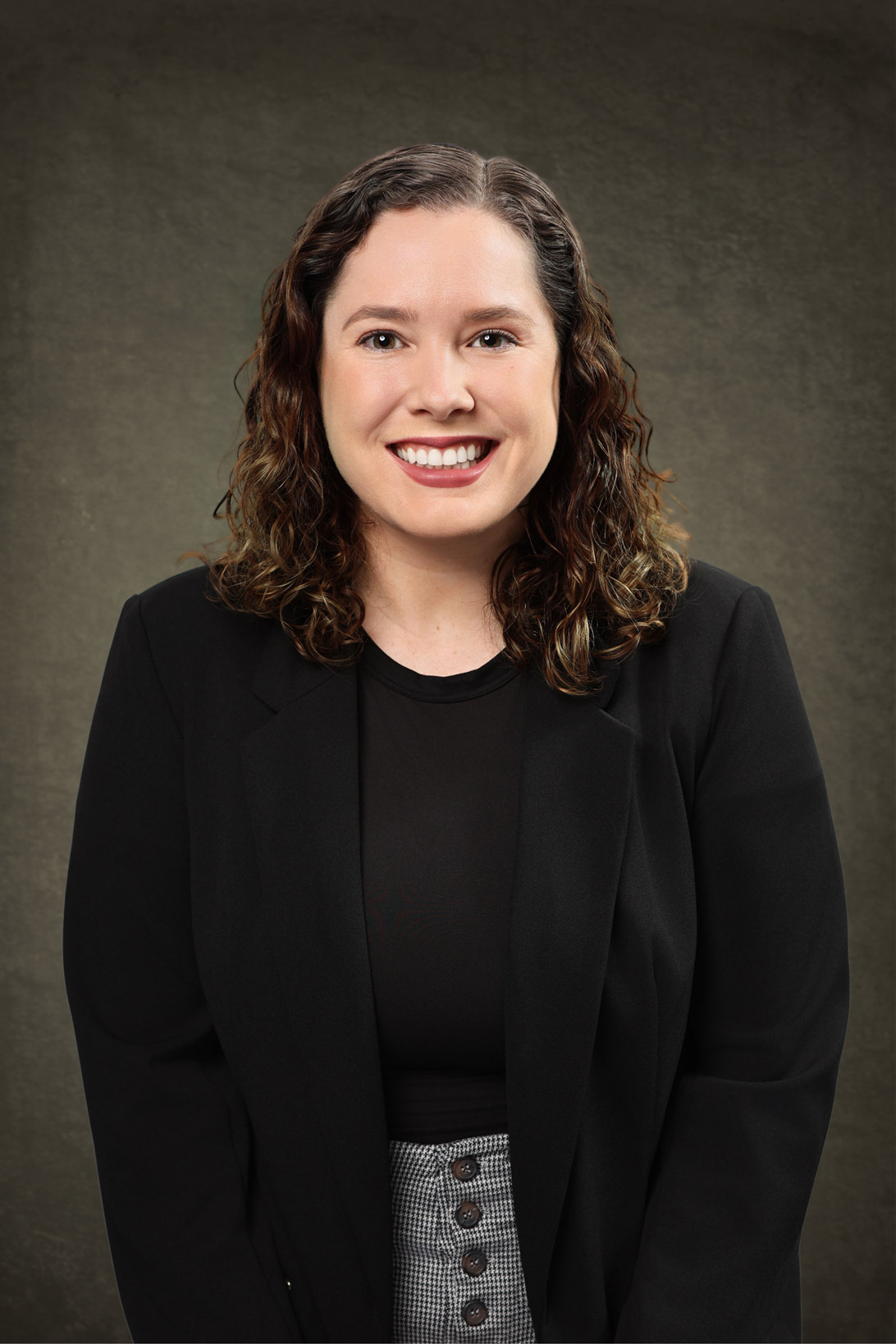
Jaclyn Calkins has a master’s degree in Clinical Medicine from Michigan State University College of Human Medicine. Her background brings together over six years of clinical and public health research experience, community work in harm reduction and youth case management, and board leadership with a syringe services nonprofit. Jaclyn’s primary areas of interest include public health and prevention for older adults, harm reduction informed prevention, and the social conditions that shape health and substance use behaviors such as housing insecurity, stigma, and social isolation. Jaclyn is committed to developing compassionate, practical, and evidence-informed trainings that help providers support people affected by substance use.

Bianca Beckley, a nonprofit leader and researcher with over 10 years of experience in youth development, mentorship, community engagement, and advocacy for underserved populations. Her leadership approach is grounded in meaning-centered leadership, emphasizing purpose-driven work through engagement, empowerment, and expertise.
Dr. Beckley earned her EdD in Organizational Change and Leadership with the goal of improving organizational effectiveness and strengthening community outcomes. Her research interests include nonprofit leadership, cross-sector collaboration, community-police relationships, and reentry and diversion initiatives.
In addition to her professional work, Dr. Beckley serves as President of the Southern California Chapter of the American Society for Public Administration (ASPA), where she helps foster professional development, networking, and engagement opportunities for emerging and established public service professionals. She is passionate about empowering youth, advancing equitable practices within nonprofit and public sector organizations, and promoting leadership practices that encourage employee wellbeing, mental health awareness, and burnout prevention.